
Plantar Warts in Rocky Hill, Bristol, Middletown, Glastonbury, Newington, & Kensington, CT
Most plantar warts are harmless, even though they may be painful. They are often mistaken for corns or calluses, which are layers of dead
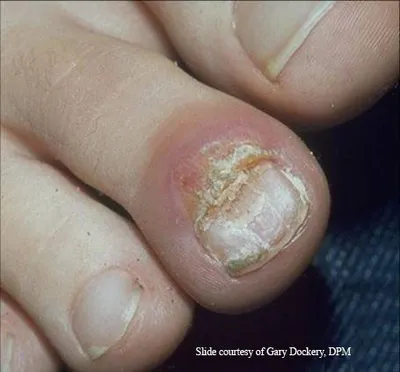
Plantar warts, also known as
verrucas
, appear on the soles of the feet and are one of several soft tissue conditions that can be quite painful. Unlike other foot warts, plantar warts tend to be hard and flat, with a rough surface and well-defined boundaries. They are often gray or brown (but the color may vary), with a center that appears as one or more pinpoints of black. Plantar warts are often contracted by walking barefoot on dirty surfaces or littered ground. The virus that causes plantar warts thrives in warm, moist environments, making infection a common occurrence in public pools and locker rooms.
Like any other infectious lesion, plantar warts are spread by touching, scratching, or even by contact with skin shed from another wart. The wart may also bleed, another route for spreading. Plantar warts that develop on the weight-bearing areas of the foot (the ball or heel of the foot) can cause a sharp, burning pain. Pain occurs when weight is brought to bear directly on the wart, although pressure on the side of a wart can create equally intense pain.
To prevent the spread of warts, follow these tips:
- Avoid direct contact with warts, both from other persons or from other parts of the body.
- Avoid walking barefoot, except on sandy beaches.
- Change your shoes and socks daily.
- Check your children's feet periodically.
- Keep your feet clean and dry.
It is important to note that warts can be very resistant to treatment and have a tendency to reoccur. Over-the-counter foot wart treatments are usually ineffective because their use can inadvertently destroy surrounding healthy tissue. Please contact our office for help in effectively treating warts. Our practice is expert in recommending the best treatment for each patient, ranging from prescription ointments or medications to, in the most severe cases, laser cautery.
More Reading
Check out these blog posts to read more about this terribly contagious disease:
- "Myths About Warts" http://ctfootcare.blogspot.com/2012/10/myths-about-warts.html
- "What Are Periungal Warts" http://ctfootcare.blogspot.com/2013/02/what-are-periungual-warts.html
- "Safety Tips For A Barefoot Summer" http://ctfootcare.blogspot.com/2012/06/safety-tips-for-barefoot-summer.html